
The Illusion of Free Entertainment
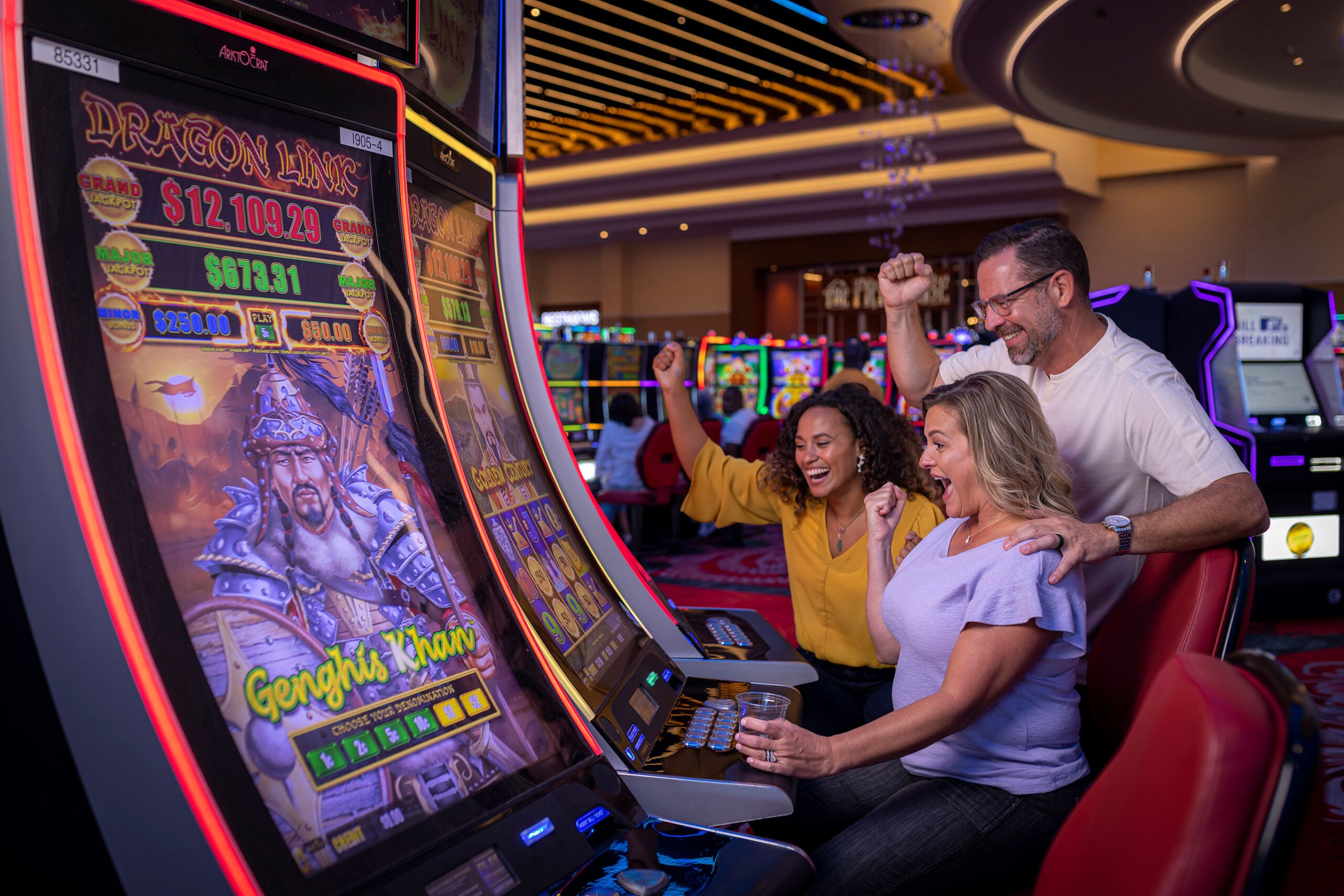
Many individuals perceive the thrill of casino visits as a low-cost entertainment option. While the initial entry might seem free or affordable, the reality is that casinos often entice patrons with complimentary drinks, snacks, and even entertainment shows. However, these perks come with the expectation of gambling. It is essential to recognize that the more time spent enjoying these free offerings, the more likely individuals are to place bets, especially when exploring australia online casino options, significantly increasing their overall expenditure. The initial allure of free amenities can mask the true costs associated with prolonged gambling sessions.
Moreover, the psychological lure of “free” offerings can lead to impulsive decisions, with patrons often overspending on gaming activities to maintain their perceived enjoyment. The allure of complimentary amenities creates an environment where individuals may disregard their financial limits, assuming that the cost of entertainment is minimal. This perception can distort a gambler’s understanding of their actual spending, leading to a false sense of security while gambling, ultimately resulting in significant financial losses. It’s crucial for gamblers to understand that these so-called ‘free’ experiences can lead to unchecked spending, making the initial attraction deceptive.
Navigating this false sense of low-cost entertainment is crucial for those who frequently visit casinos. Learning to recognize how seemingly complimentary offerings can escalate spending habits is the first step in understanding the hidden costs associated with regular casino visits. By maintaining awareness of these psychological traps, patrons can better manage their finances and avoid unanticipated financial pitfalls. Understanding the true cost of these “free” advantages can empower individuals to make more informed decisions about their gambling habits.
The Cost of Time
Frequent casino visits also come with a hidden cost that is often overlooked: time. The hours spent at gambling establishments can add up quickly, contributing to significant losses in productivity and personal time. Individuals may find themselves sacrificing work commitments, family gatherings, or personal development opportunities in favor of placing a bet. The effects of this lost time can be profound, affecting not just one’s career but also personal relationships and overall life satisfaction. When one prioritizes gambling over essential activities, it can lead to regrets that linger long after the gaming session is over.
Additionally, the entertainment factor of casinos often leads to extended stays, where individuals become absorbed in the excitement of gaming. The atmosphere is specifically designed to encourage longer visits, with enticing sounds, sights, and social interaction. While this may provide immediate gratification, it can lead to missed opportunities that are far more beneficial in the long run. As the hours pass, many gamblers may not realize how much time they are investing until it’s too late, resulting in feelings of guilt or disappointment. The cost of time spent gambling can surpass the financial losses incurred during play, impacting overall lifestyle choices.

In recognizing the hidden price of time, casino patrons can take a more holistic approach to their gambling habits. By setting limits on how long they spend in these establishments, individuals can preserve precious time for more fulfilling activities. Being aware of how time investment can affect overall well-being and life satisfaction is a critical step toward more mindful entertainment choices. Striking a balance between gambling and other life responsibilities can lead to a healthier, more rewarding lifestyle.
The Impact on Mental Health
The relationship between frequent casino visits and mental health is another hidden cost that deserves attention. The thrill of gambling can lead to short-term excitement, but it can also precipitate long-term emotional distress. Many individuals may experience heightened levels of anxiety, depression, or stress as they chase losses or deal with the implications of their spending habits. The cycle of gambling can create a false sense of control and hope that often results in disappointment, leading to a detrimental impact on mental health. It is vital for individuals to recognize these emotional patterns to avoid deeper psychological issues.
Moreover, the social dynamics of casinos can complicate mental health further. Many patrons may feel isolated or ashamed of their gambling behavior, leading to strained relationships with family and friends. This social stigma can exacerbate feelings of loneliness or despair, reinforcing a vicious cycle that can be difficult to break. The pressure to maintain appearances or hide gambling habits can lead to increased stress and anxiety, which may further drive individuals to seek solace in gambling, perpetuating a harmful cycle. It is crucial for gamblers to evaluate the mental health implications of their gaming habits and seek support if needed.
Preventing detrimental effects on mental health requires a proactive approach. Whether it’s setting strict limits on spending, taking regular breaks, or discussing gambling behaviors with a trusted friend, awareness is key. By acknowledging the emotional strain that frequent casino visits can impose, individuals can take steps to ensure a healthier relationship with gambling and focus on enhancing their overall mental well-being. Seeking out support networks or professional help can also play a significant role in maintaining mental health amidst the challenges of frequent gambling.
Hidden Financial Pitfalls
In addition to direct gambling losses, frequent casino visits can open the door to other hidden financial pitfalls. From transportation costs, dining expenses, and accommodation fees, the overall expenditure can quickly escalate beyond initial expectations. Many patrons overlook these ancillary costs when planning a trip to the casino, leading to budget overruns that can affect their financial stability. A night out at the casino may seem like a planned expenditure, but once the extra costs are factored in, the total can be alarmingly high.
Furthermore, the culture of tipping in casinos can significantly impact a patron’s wallet. Generosity towards dealers, waitstaff, or other service personnel is often expected and can lead to unplanned financial outflows. Individuals may find themselves spending more than anticipated simply to adhere to social customs within the casino environment. These additional costs can accumulate, resulting in a surprising total that far exceeds the cost of gambling alone. Understanding these hidden financial obligations is crucial for responsible gambling and financial planning.
To mitigate these hidden financial pitfalls, awareness and detailed planning are essential. Establishing a comprehensive budget that accounts for all potential expenses can lead to a more financially responsible casino visit. By understanding the full scope of costs associated with gambling trips, patrons can make informed decisions that prioritize both entertainment and financial health. Keeping track of all expenditures related to casino visits can help individuals stay within their budget and avoid unexpected financial strain.
Understanding the Bigger Picture
Recognizing the hidden costs associated with frequent casino visits requires a broader understanding of one’s gambling behavior. For many, it’s not just about the individual visits; it’s about the cumulative effects on their lifestyle, finances, and overall well-being. Keeping track of spending, time, and emotional health can foster a more balanced relationship with gambling, leading to more enjoyable and responsible experiences. By taking a step back and evaluating the overall impact of gambling on their lives, individuals can make more informed choices.
Moreover, educating oneself about responsible gambling practices can empower individuals to enjoy the excitement of casinos without falling victim to their hidden costs. There are numerous resources available that provide guidance on budgeting, setting limits, and recognizing signs of problematic gambling. Seeking information can equip individuals with the tools they need to navigate the casino landscape safely and effectively. With the right knowledge, individuals can enjoy the thrill of gambling while minimizing its negative consequences.
Ultimately, understanding the bigger picture includes embracing the notion of moderation. Balancing casino visits with other interests and hobbies can create a more fulfilling life experience. By adopting a mindful approach to gambling, individuals can enjoy entertainment without compromising their financial stability or mental health. Acknowledging the hidden costs of frequent visits is essential for creating a sustainable and healthy gambling lifestyle. This balanced perspective allows for enjoyment while maintaining control over one’s finances and well-being.